

Curriculum Framework
Teacher and Student Voice
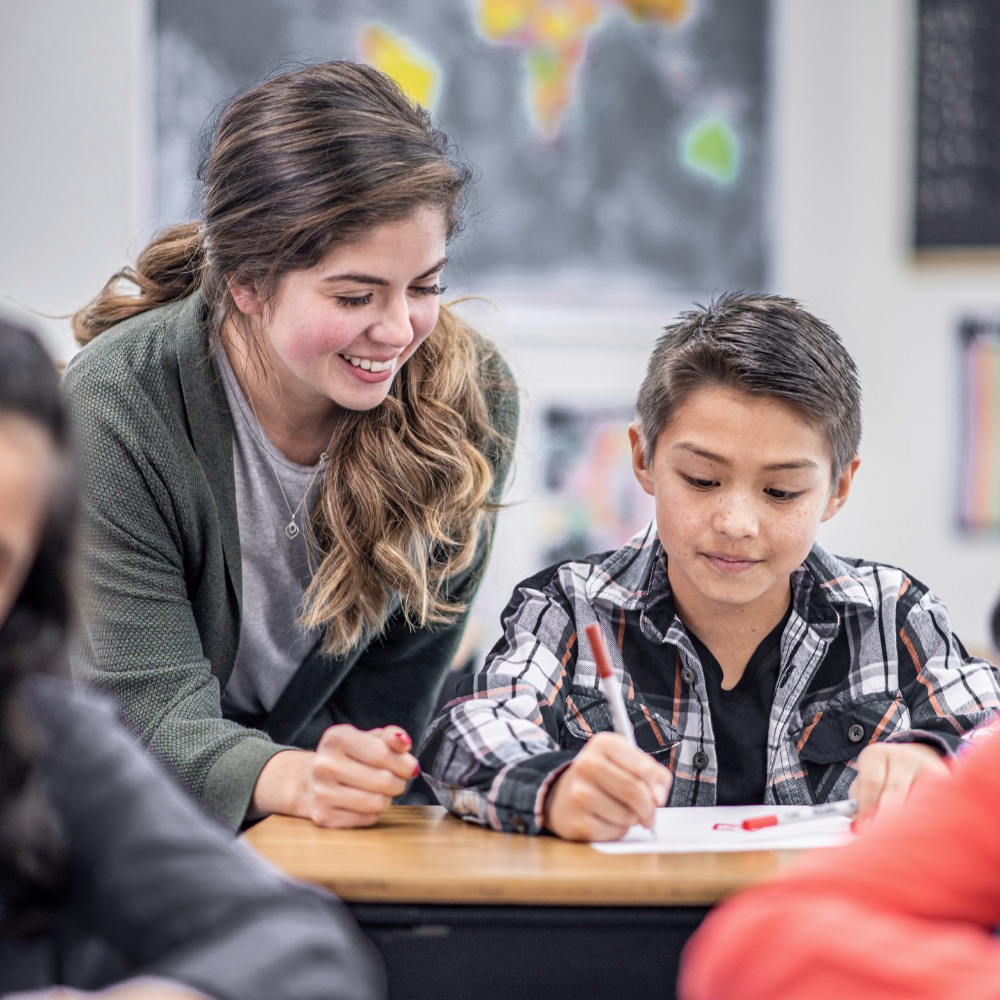
Curriculum enactment refers to the collective curricular experience. Enactment is dependent on teacher and student experience, both in delivering and receiving the curriculum. What happens in our education system is so much more than the skill descriptors and achievement indicators. “The enacted curriculum encompasses the framework; the decisions, intentions, and skills of educators; the learning environment, relationships and instructional methods; and the interests, motivations, and contributions of learners.” (NB Curriculum Framework, 2023)
Central to the curriculum development process is the ongoing collection of feedback to guide writing, refinement, and validation. Creating space for multiple perspectives to be heard and listening to teachers and students provides important insight into how curriculum is experienced and enacted across learning environments. Their experiences help us understand what supports learning, where challenges exist, and where curriculum, resources, and instructional approaches may need to be refined.
As we work together to enable success through Strong Basics, Bright Futures: Anglophone Sector Education Plan 2026-2038, a commitment to growing and demonstrating the impact of teacher and student voice on curriculum is at the forefront. Teacher and student voice is not a single event or a single point of consultation. It is an ongoing commitment to strengthen the connections between curriculum intent, educator needs, learning environments, and learner experience.
Teacher Voice
Curriculum Development Feedback Cycle
Curriculum development is a collaborative, ongoing process. A writing group of educators and subject-area experts work with a Learning Specialist to review research, gather input, identify learning priorities, and develop a draft. Once approved, the draft enters a Release year, when educators use it in their classrooms and provide feedback that guides revisions. After final approval, translation and linguistic review, the curriculum is published for Implementation, supported by professional learning, resources, and ongoing District and provincial support.
EECD Information Sessions
EECD Learning and Achievement and Education Support Services branches co-host two professional development days for educators between August and November. Virtual sessions are offered online and share curriculum development and educational programming information related to current education system themes and/or initiatives; educator voice is collected through session recordings as well as embedded feedback survey forms.
The New Brunswick Teachers’ Association hosts elementary, middle, and high school councils for educators each May. Virtual and in-person sessions provide professional learning opportunities and advise on matters important to NBTA members. EECD offers curriculum development and educational programming sessions on Council Day; educator voice is collected through in-person feedback or embedded feedback survey forms.
Wabanaki Curriculum Committee
The Wabanaki Curriculum Committee consists of Wabanaki classroom teachers and Wabanaki educational staff from districts and EECD. Guided by the Wabanaki Wholistic Learning Framework, the wisdom of Elders and Knowledge Keepers, and classroom experience, the committee reviews and advises on curriculum and resources to ensure that they are reflective of Wabanaki perspectives and meet the needs of teachers.
NBTA Enhanced Learning and Working Environments (ELWE) Committee
“Through the NBTA Enhancing Learning and Working K-12 Committee, the Association provides feedback to the Department of Education and Early Childhood Development (EECD) and Anglophone School Districts regarding: curriculum design and implementation; provincial report cards; resource selection and development; professional learning models for curriculum implementation; instructional best practices; and policies pertaining to curriculum and instruction” (New Brunswick Teacher Association, 2026)
Student Voice
The Provincial Curriculum and Evaluation Advisory Committee (PCEAC)
The PCEAC consults, reviews, and provides recommendations to the Minister of Education on both the design and implementation of curricula and evaluation programs. The PCEAC reviews new curriculum, curriculum updates, curriculum resources, strategic plans, and professional learning offerings, as well as provincial assessments. There is a student representative on this committee who provides insight into student experiences and needs regarding curriculum and evaluation.
New Brunswick Student Leadership Association (NBSLA)
The New Brunswick Student Leadership Association is a volunteer, non-profit provincial organization dedicated to developing effective student leadership and strengthening student activities in Anglophone high schools. NBSLA provides a provincial network for student council advisors and schools to share ideas and practices, supports advisors and student leaders, and provides support to the Provincial Student Council of New Brunswick High Schools.
District Student Leadership Councils
ASD-S and ASD-W have established councils of student leaders with members from each high school. These councils engage in ongoing learning about the education system and provide feedback to senior district leaders (Superintendents, Directors, DEC, etc.) about issues related to the school experience.
Student Wellness Survey
The New Brunswick Student Wellness and Education Survey is a joint initiative of the New Brunswick Health Council (NBHC) and the Government of New Brunswick’s Departments of Health and Education and Early Childhood Development. Conducted in all public schools, the survey gathers information from more than 50,000 students in grades 4–12, as well as parents and guardians, on areas such as social and emotional development, physical health, substance use, and school and community experiences. The results help inform schools, districts, decision-makers, and the public about student wellness across the province.
An Ongoing Commitment to Teacher and Student Voice
Meaningful voice requires ongoing engagement rather than consultation at a single point in the curriculum development process. Feedback gathered during development, implementation, and refinement can help validate decisions, identify emerging needs, and strengthen curriculum over time.
When teacher and student voices are embedded within curriculum development and enactment, it becomes more than consultation. It becomes a mechanism for agency, collaboration, continuous improvement, and enabling success. The goal is not simply to collect more feedback. It is to listen, learn, respond, and demonstrate impact, strengthening the relationship between what is intended, what is enacted, and what teachers and students experience.
– OECD, Curriculum Flexibility and Autonomy (2024)The design process involves teachers and students before the curriculum is implemented.